A cup by Aiko Watanabe
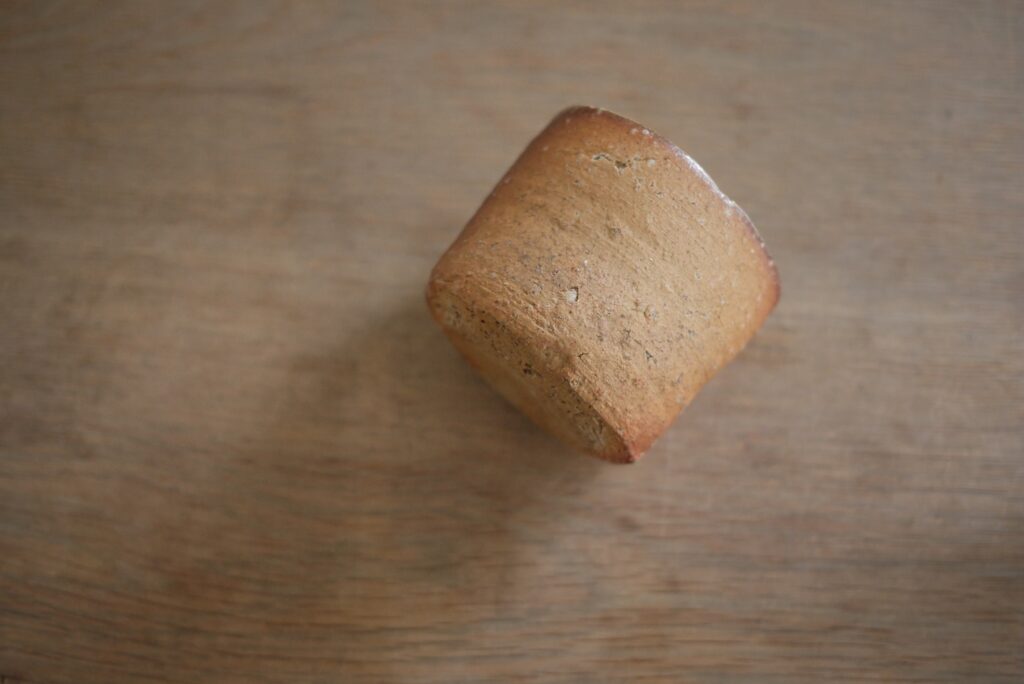
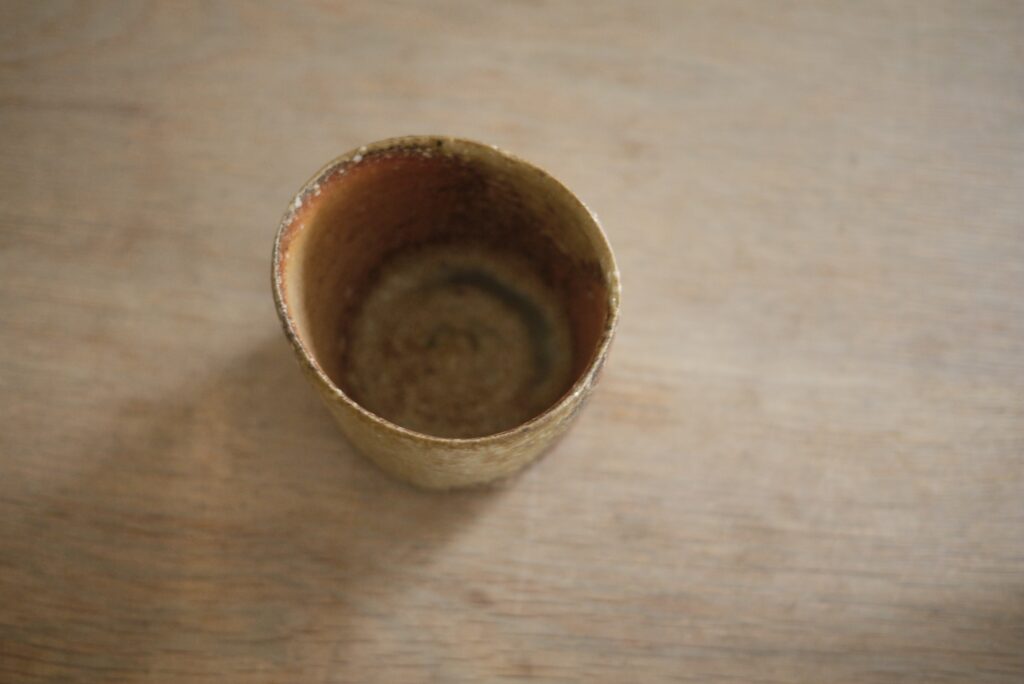
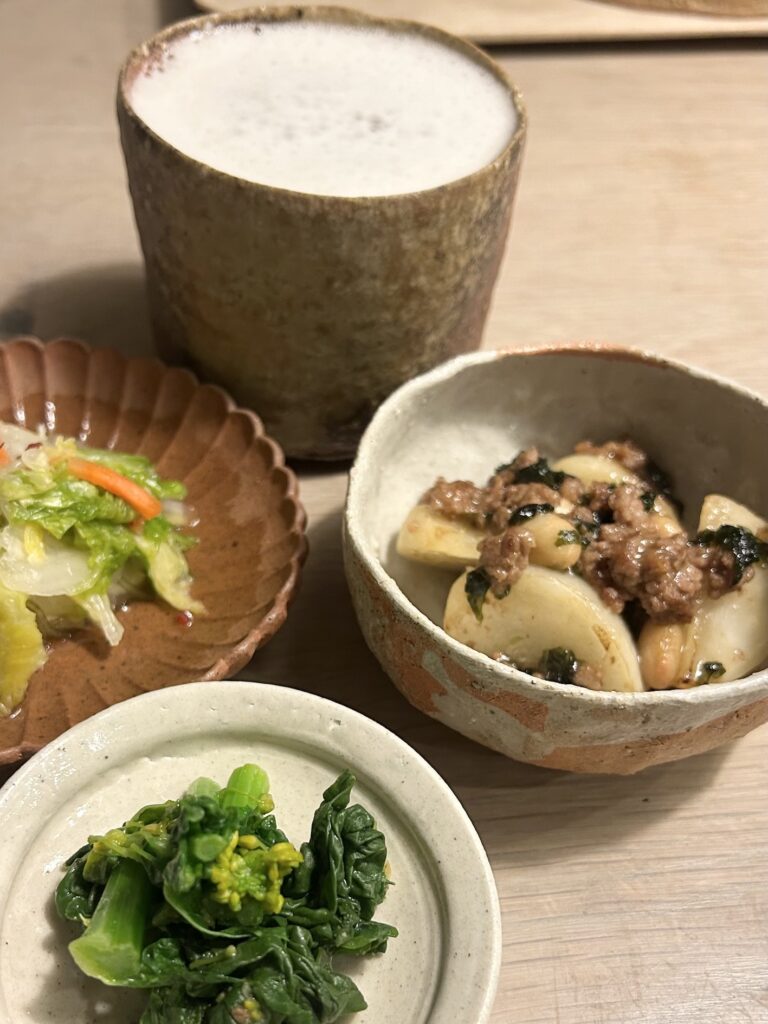
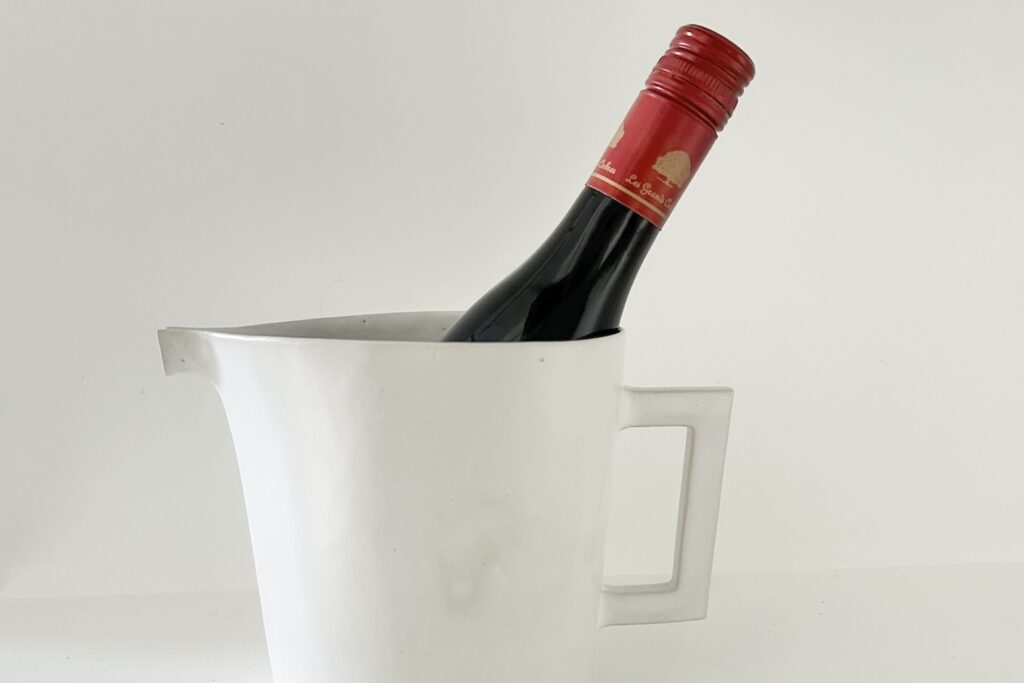
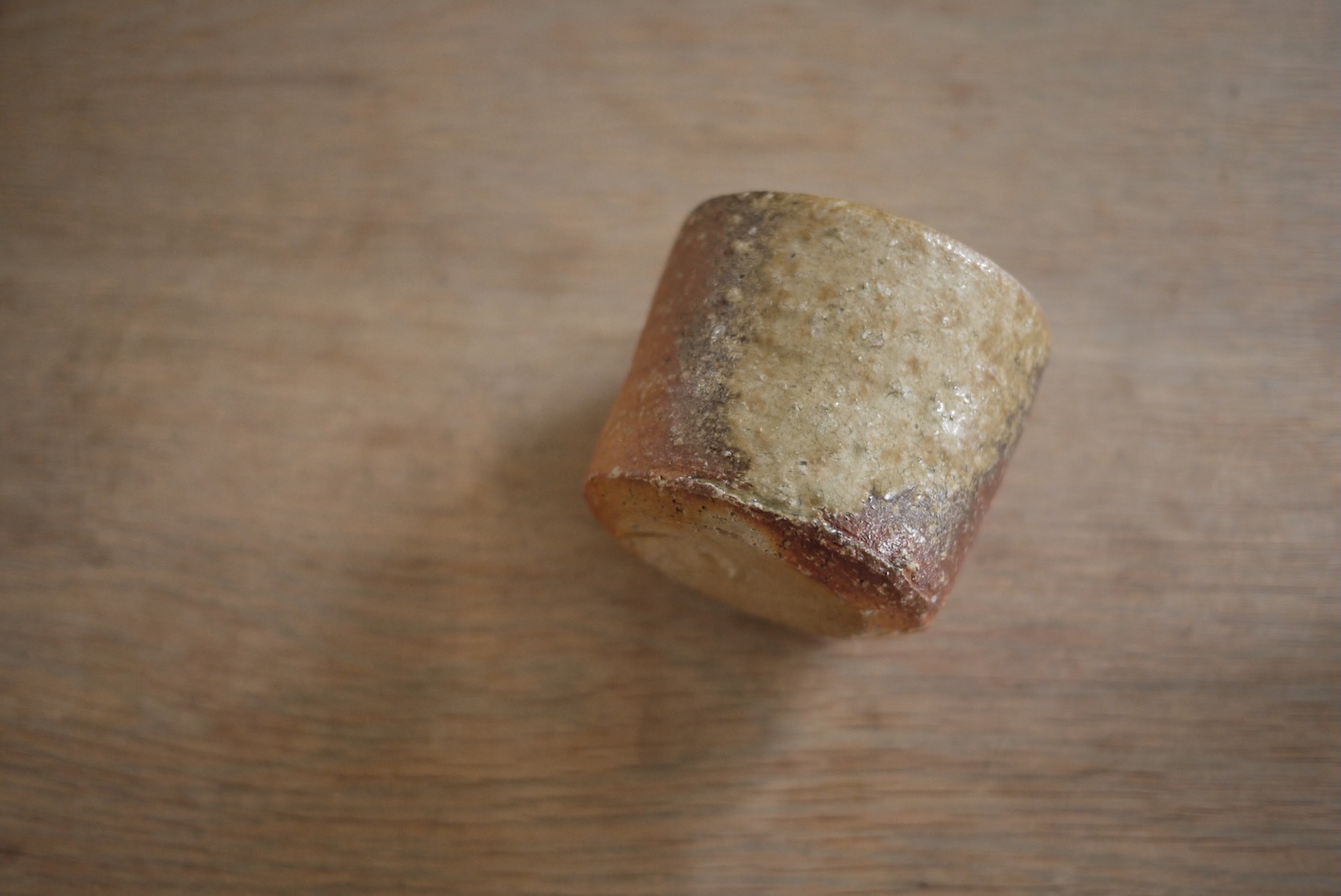
これは、渡辺愛子さんの焼き締めフリーカップ。愛子さんは三重県の伊賀に工房を構えている。山を切り開いて穴窯を作り、伐採した木は自宅を建てるのにほとんど利用したという。工房にうかがうと、時季によって裏山で採れるたけのこやご近所農家の玄米ごはんをふるまってくれる。ものごとの循環とか巡り合わせのようななにげないことを大事に、制作も、生活も、されているところに憧れる。おとなりの信楽(滋賀県)の土や周辺の原土を用いて作り、大きな穴窯と向き合う。そうしてできあがるものは、壺や花器、信楽焼のヘリテージである小壺「蹲(うずくまる)」をはじめとするオーセンティックな焼締陶なのだけれど、土ものなのにいつも瑞々しい。灰が溶け、粘土の表面にゆるりと広がり景色をとどめる窯のなかの様子を想像したくなるような焼物なのだ。本人の心の清らかさを反映してるのだな、なんて思う。窯焚きのお手伝いにうかがったとき、炎と対峙しほてった身体に冷え冷えのビールがものすごく美味しかった。代謝があがっているから、飲んでも全く酔わないのだという。その酔わないビールは、このフリーカップに注がれていた。泡がスムースで美しかった。
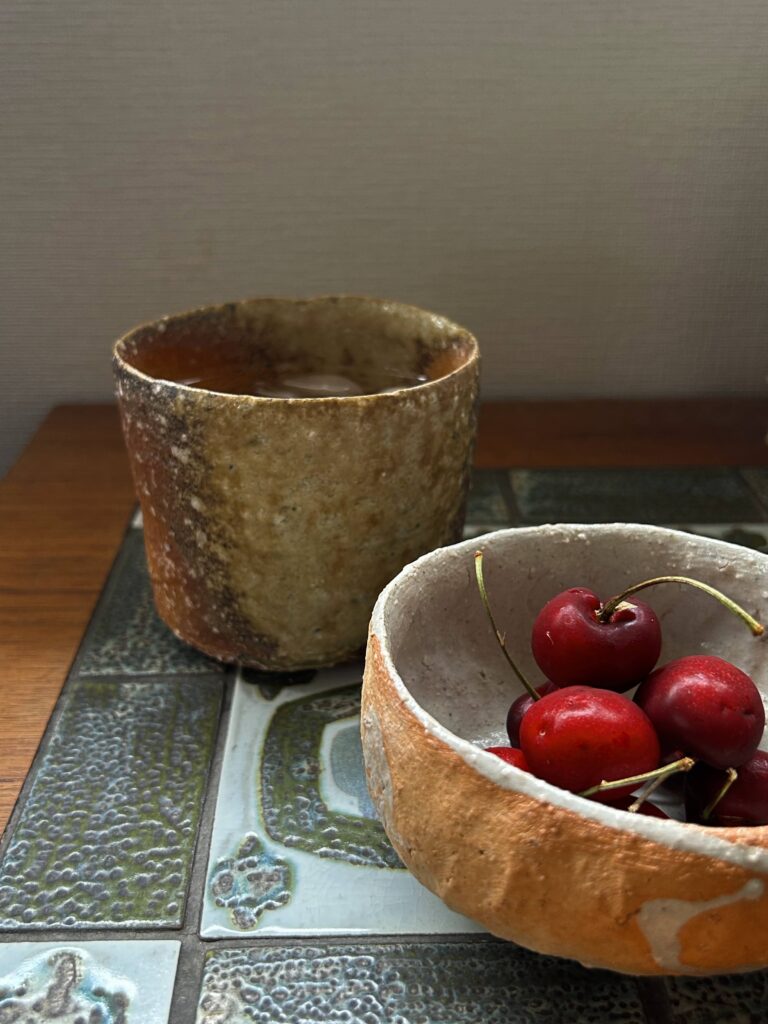
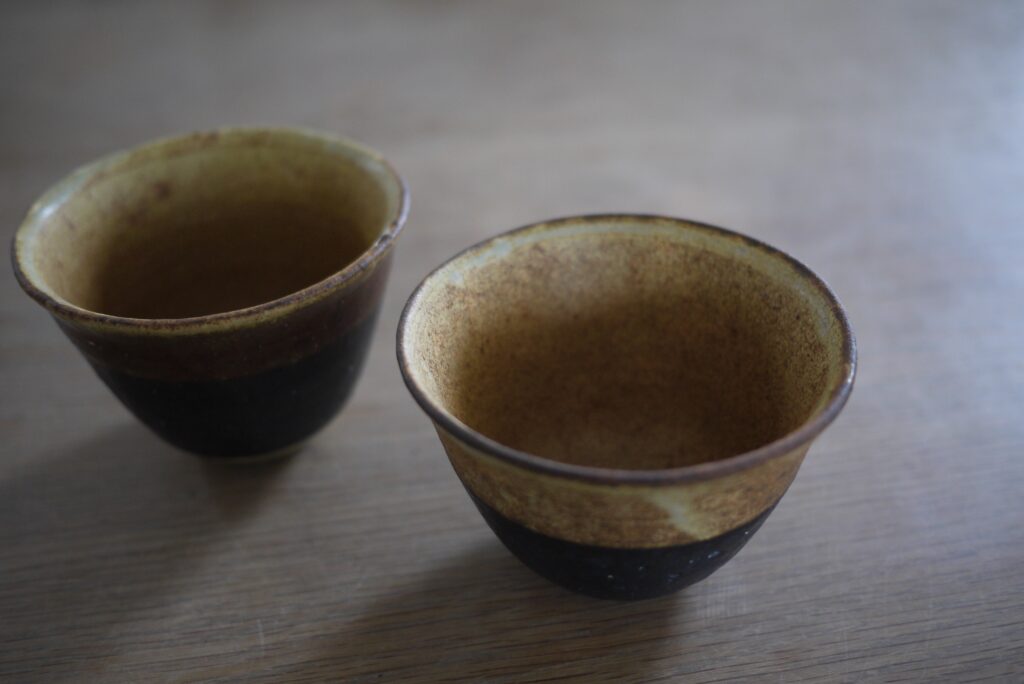
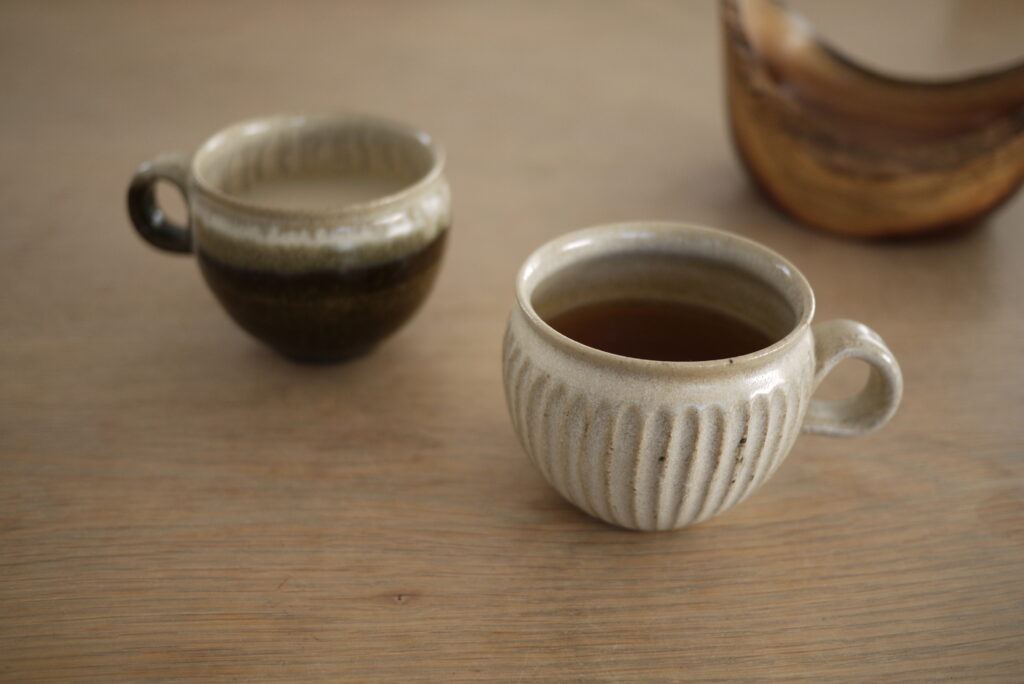
合わせたのは、唐津の梶原靖元さんとのコラボ作品。ふたりは土を交換しそれぞれの窯で焼く試みをしている。愛子さんの土は粗めなのに、梶原さんの手にかかると唐津のそれと同じように滑らかになってしまう。何度も水肥してゴミや石を除き、短時間で焼くから生まれるスッキリ感だという。愛子さんのおかげで、焼物の面白さをまたひとつ知ったのだった。
作り手:渡辺愛子
年代:2025年
購入場所:八丁堀やきものギャラリー とべとべくさ
|
This is a cup by Aiko Watanabe. Her studio is in Iga, Mie Prefecture. Carving out a hillside to build a kiln, she used most of the felled timber to build her own home . When you visit her studio, depending on the season, she treats you to bamboo shoots gathered from the hills behind her house or brown rice cooked by a local farmer. She is an artist who cherishes the simple things in life, such as the cycle of nature and the serendipity of chance. Using clay from neighbouring Shigaraki (Shiga Prefecture) and local raw earth, she works single-handedly with her pit kiln. Her creations—such as jars and the small ‘uzukumaru’ pots, a heritage of Shigaraki ware—are authentic pottery; yet, perhaps reflecting her own purity of heart, they always possess a fresh vitality despite being made of earth. They are the sort of pieces that make you want to imagine the scene inside the kiln, where ash melts and spreads gently across the clay’s surface, capturing the landscape. When I visited to help with a firing, the ice-cold beer tasted absolutely delicious against my body, which had grown hot from facing the flames. She explained that because you sweat and lose fluids, you don’t get drunk at all, even if you drink it. That non-intoxicating beer was poured into this free cup. The foam was smooth and beautiful.
Paired with it was a collaborative piece with Yasumoto Kajiwara from Karatsu. The two are experimenting with exchanging clay and firing it in each other’s kilns. While Aiko’s clay is rather coarse, in Kajiwara’s hands it becomes as smooth as Karatsu clay. He says this crisp, clean finish comes from repeatedly washing the clay to remove debris and stones, and firing it quickly. Thanks to Aiko, I discovered yet another fascinating aspect of pottery.
Artist: Watanabe Aiko
Date: 2025
Place of purchase: Hatchobori Yakinomogallery Tobetobekusa